
How to Prepare for Dog Training: Everything You Need Before You Start
Whether you’ve just brought home a new four legged companion or are looking to better your relationship with your dog, getting started on training is an exciting step in the right direction. The good news is, it’s never too late to begin.
Training isn’t just about teaching cues. It’s about building communication, trust, and a relationship that helps your dog feel more confident navigating the human world.
Before you start your dog training journey, a little preparation can make a big difference. Setting up the right mindset, tools, and environment will help both you and your dog succeed from the very beginning.
Why Preparation Matters in Dog Training
Dogs learn through repetition, consistency, and experience. When we prepare thoughtfully, we make it easier for them to understand what we’re asking, and easier for ourselves to remain patient and consistent.
Without preparation, it’s common to run into frustration, confusion, or lack of progress. With the right tools, training becomes clearer, more effective, and more enjoyable for both of you.
The Right Mindset for Dog Training
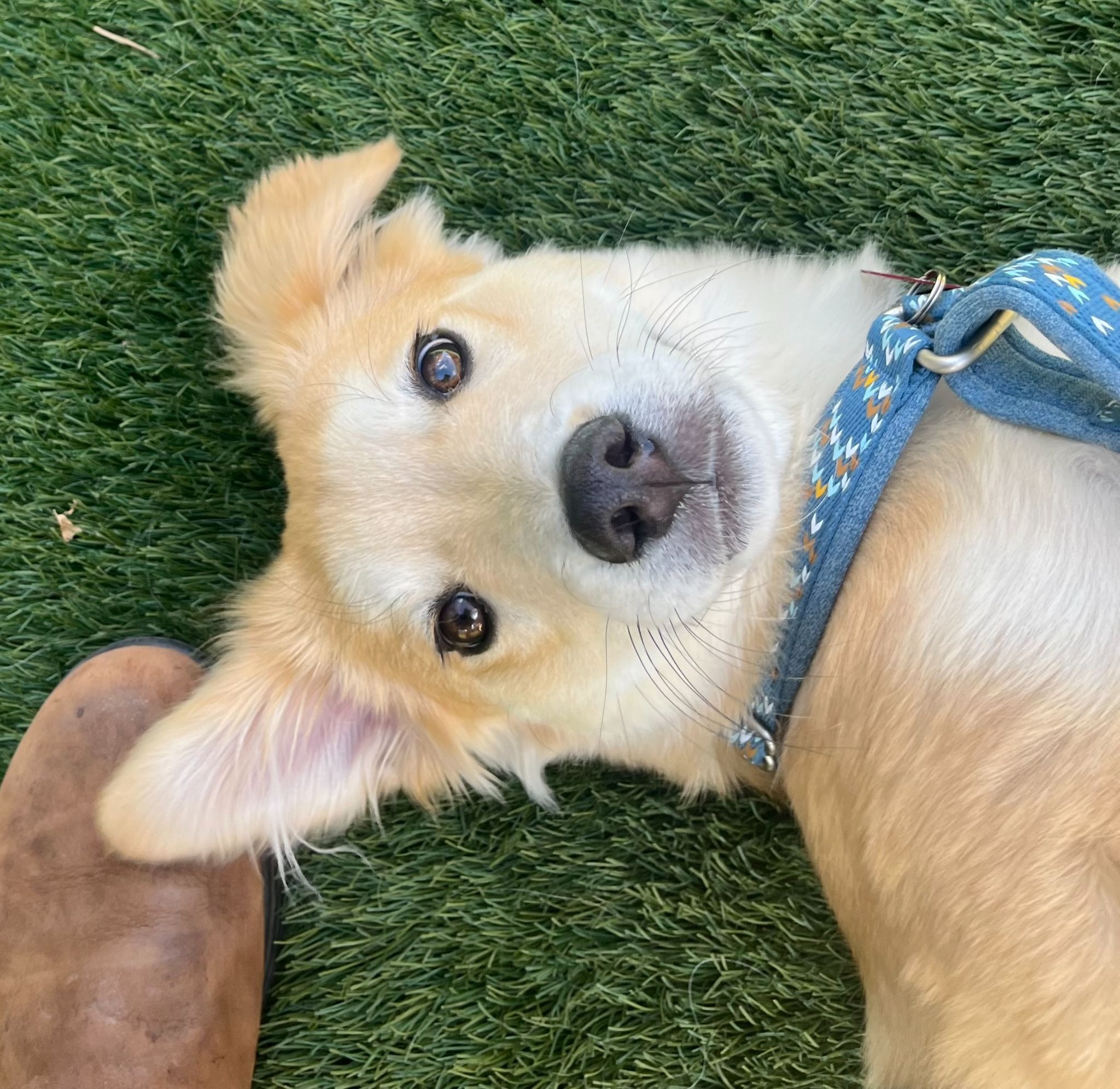
Know and Accept the Dog in Front of You
Every dog is an individual. They come with their own personality, preferences, learning history, and nervous system.
It’s easy to compare your dog to others whether that’s a friend’s dog, a dog in class, or something you saw online. Unfortunately, comparison often leads to unrealistic expectations.
Instead, focus on the dog in front of you. Learn their preferences, limitations, and strengths. By meeting your pup where they are, you can build from the foundation they already have and enjoy the training while you do.
Set Realistic Expectations
One of the biggest barriers to successful dog training is expecting results too quickly.
When progress doesn’t match expectations, people may feel pressure to “fix” things faster, sometimes turning to force or punishment. In reality, this approach is likely to create more stress, confusion, and setbacks for the dog.
Sustainable training focuses on:
- Clear, consistent techniques
- Skills that translate to real life experiences
- Progress over perfection
It’s also important to be realistic about your own capacity. Most people have busy lives, and that’s okay.
Research shows dogs often learn more effectively through short, spaced-out sessions rather than long, frequent ones (see study here). You don’t need hours a day but rather consistency over time.
Practice Patience
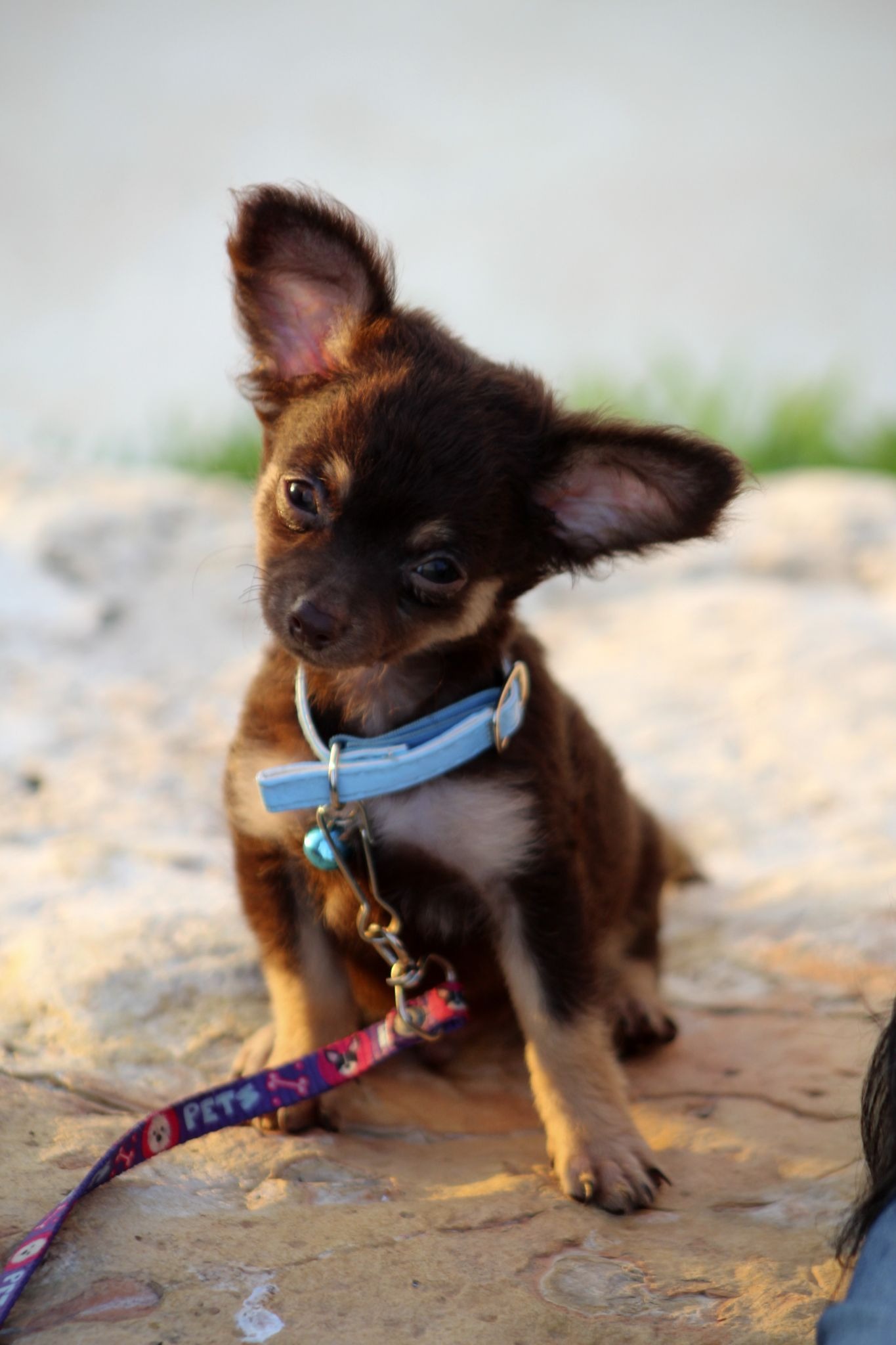
Learning takes time.
Some skills come together quickly, while others take weeks or months of repetition and practice. Progress is rarely linear with learning, so be ready for both great days and more challenging ones.
That’s normal and all part of the learning process both for dogs and ourselves.
Patience allows you to stay calm and offer more support while your dog learns. And when dogs feel supported, they’re more likely to build both skill and confidence along the way.
Stay Flexible
Dogs aren’t robots. Their behavior shifts based on: energy levels, stress, sleep, environment and distractions.
Some days will simply be harder than others. For a comprehensive look at dog wellness, take a peek at our article on The 5 Pillars of Overall Wellness here.
Flexibility means pivoting to avoid frustrations or limitations while training instead of simply pushing through them. When you are met with any resistance from your dog, consider being flexible in these ways: lowering the difficulty, moving to a quieter space, shortening the session and/or ending on a small, easy win.
These considerations will help keep training productive and positive.
Positive Reinforcement Training Tools
Having the right tools makes communication clearer and learning easier.
Treats: Your Most Effective Training Tool
Food is one of the most practical and effective ways to reinforce behavior.
Good training treats should be:
- Easy to access (a treat pouch helps)
- Small and quick to eat
- Soft or easy to break apart
- Highly appealing to your dog
- Gentle on their stomach
Whenever possible, we like to use real, minimally processed foods. Air-dried or jerky-style options work well because they can be broken into small pieces and used throughout a session.
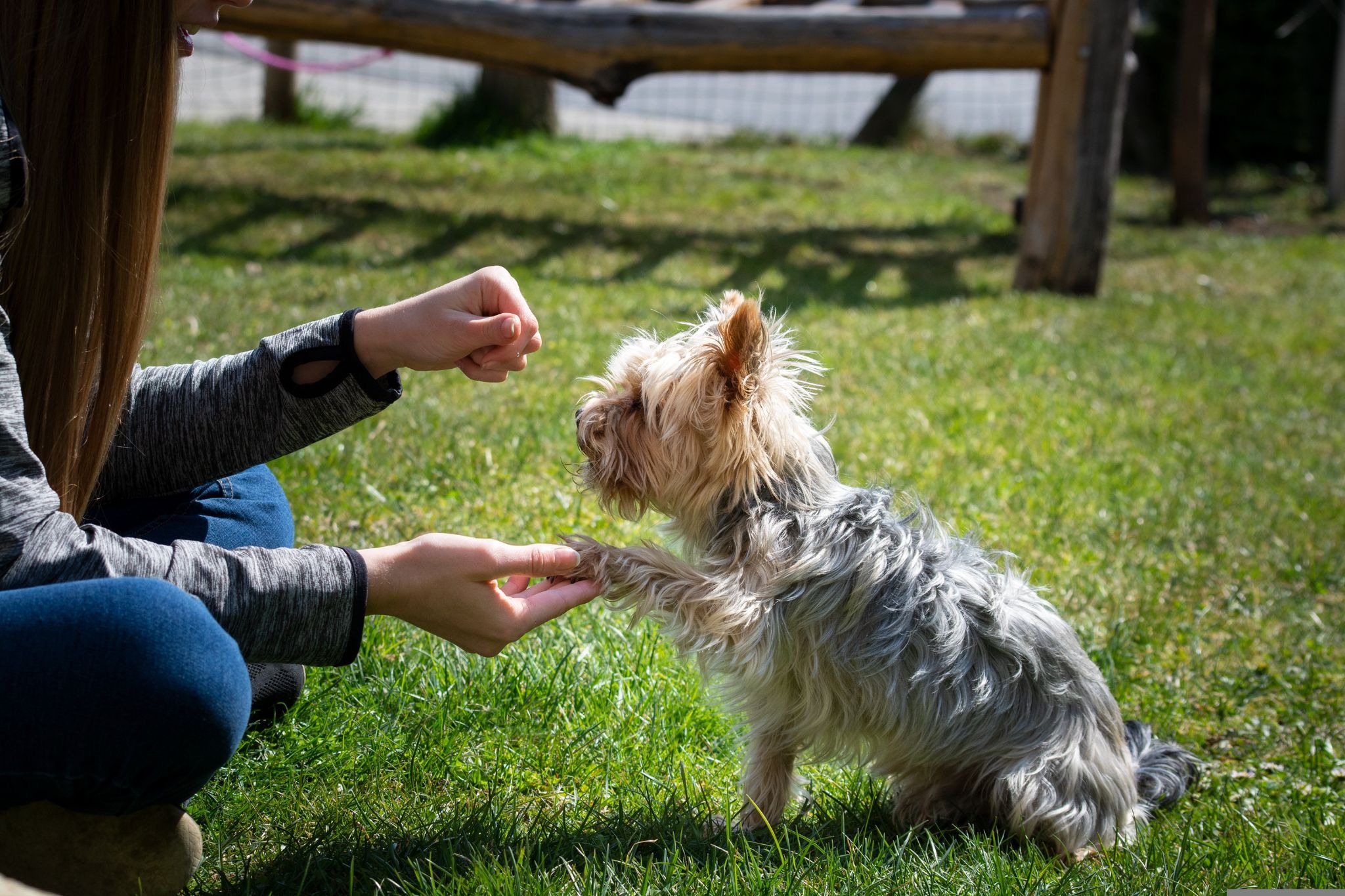
You can also use your dog’s kibble for easier exercises, especially if they’re highly food motivated.
It’s helpful to have a range of reward values on hand: Lower-value rewards for easy, familiar behaviors and higher-value rewards for more challenging situations (i.e. with distractions outdoors)
There’s no single “perfect” training treat, what matters most is that what you use is motivating for your dog and safe for their consumption.
Equipment: Keep It Simple and Comfortable
Comfort and safety come first.
We recommend starting with:
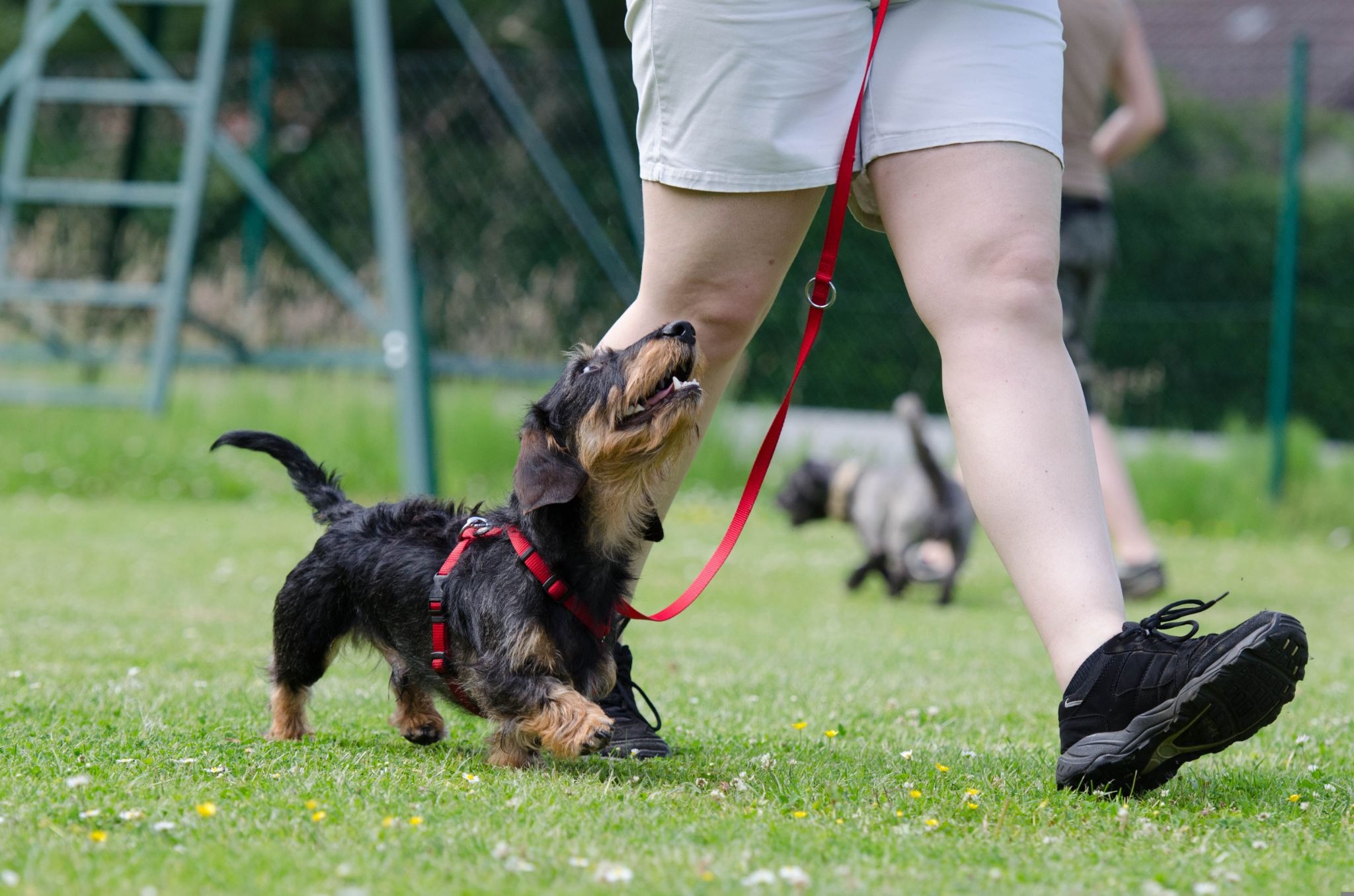
- A well-fitted harness
- A standard 6–8 foot leash
- A treat pouch
Harnesses can help reduce pressure on the neck and create safer and clearer communication during training. Some designs (i.e. a front clip attachment option) also offer additional support for dogs who pull.
Whenever possible, avoid retractable leashes. They can make it harder to communicate clearly and create safety risks in unpredictable situations.
Setting Up The Right Environment
Your dog’s environment directly influences their ability to learn and succeed.
Management: Prevent Problems Before They Start
Management means setting up your environment so unwanted behaviors are less likely to happen.
This isn’t punishment, it’s prevention while your dog is still learning.
Helpful management tools include:
- Baby gates
- Crates
- Exercise pens
- Closed doors
- Leashes (both indoors and outdoors when needed)
Dogs learn through repetition. If they repeatedly practice a behavior, it becomes stronger over time whether it’s something we desire or not.
Management helps reduce repetition of undesired behaviors so we can focus on teaching better alternatives.
Create Spaces That Support Learning
Always start training in low-distraction environments where your dog can focus.
At home, make sure to offer a quiet training area, consistent space (and schedule) for access to water and food and comfortable resting spots with cozy bedding.
When dogs feel secure and settled, they’re better able to learn and grow.
As skills improve, you can gradually introduce more challenging environments to the training regimen such as fenced yards, parks, and busy areas.
Before You Start Dog Training: Quick Checklist
- Set realistic expectations for progress
- Choose high-value, easy-to-use treats
- Have a harness and standard leash ready
- Use a treat pouch for timing and consistency
- Set up a low-distraction training space
- Add management tools where needed
- Plan for short, consistent training sessions
Frequently Asked Questions
How long should dog training sessions be?
Short sessions of 5 to 10 minutes tend to be the most effective. Multiple short sessions spaced throughout the week are more beneficial than long, infrequent ones.
Is it too late to start training an older dog?
Not at all. Dogs can learn at any age. While older dogs may have more established habits, they are absolutely capable of learning new skills with the right approach.
What if my dog isn’t food motivated?
Many dogs are more food motivated than it initially appears. Treat motivation often depends on the environment and the value of the reward.
If the food you’re using isn’t effective, explore:
- Higher-value treats
- Training in lower-distraction environments
- Using attention, play or toys as reinforcement
Final Thoughts
Taking time to prepare before you start dog training can make the entire process smoother, clearer, and more effective.
By focusing on mindset, using thoughtful tools, and setting up a supportive environment, you create a strong foundation for learning.
Training isn’t about perfection, it’s about building communication, trust, and a relationship that works in everyday life.
And that’s where meaningful, lasting progress comes from.
At Sensible Canine, we have individualized training, group classes or virtual training options and would love to see you and your dog off on the right paw (or left one if that’s their preference).
Reach out to us here to schedule a free 15 minute call to discuss how we can help you and your dog with training.